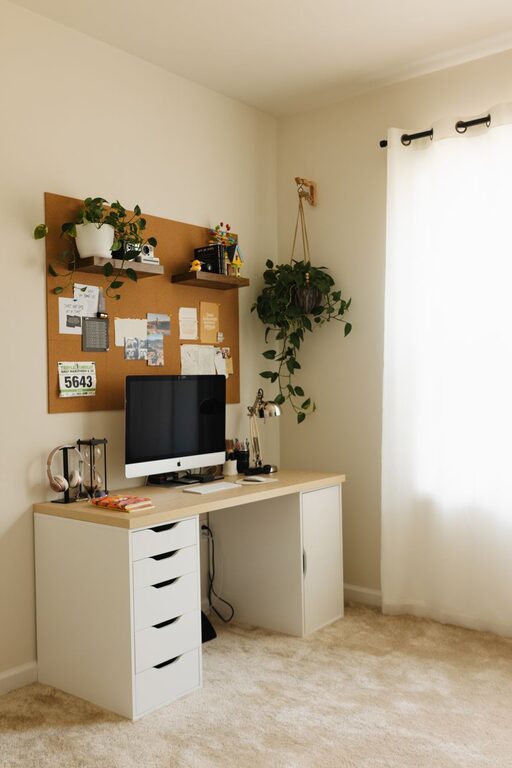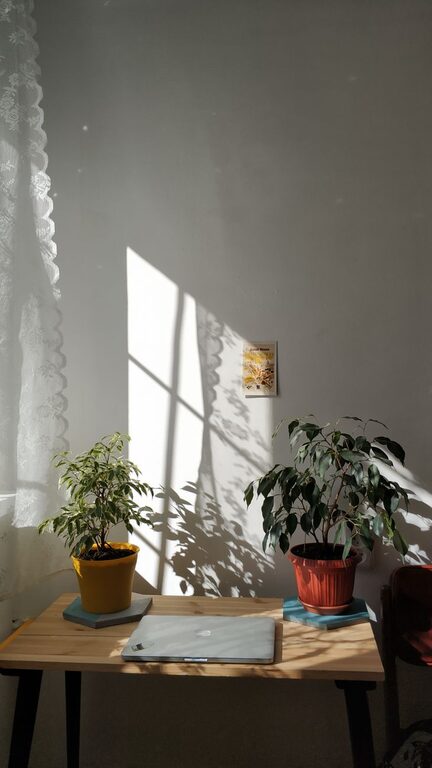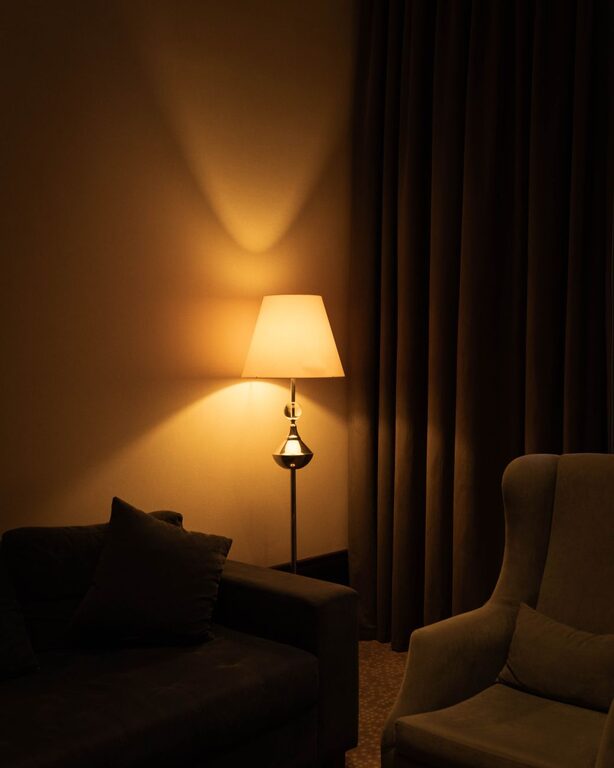



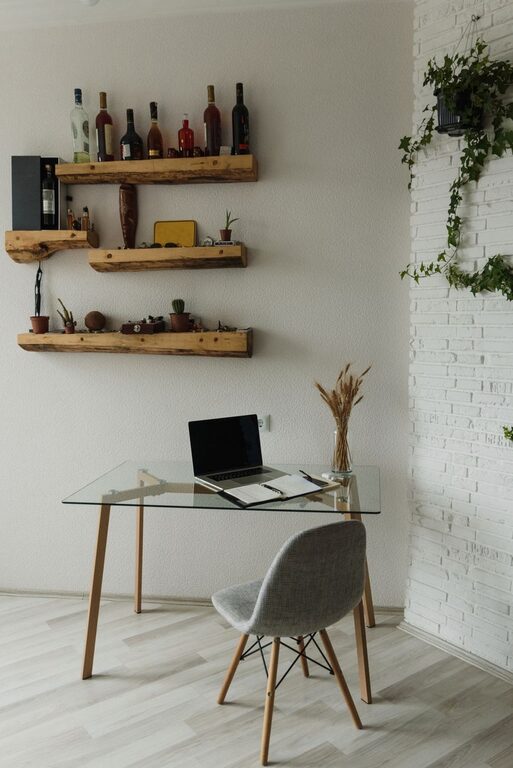
Creating a cozy and inviting home workspace is essential for staying productive and comfortable throughout your workday. Whether you’re working remotely full-time or need a quiet spot for occasional tasks, your workspace should feel welcoming and inspire focus. Here are some practical tips to help you design a home office that blends comfort with functionality.
Choose the Right Location
Selecting the right spot for your workspace is the first step toward creating an inviting area. Ideally, the location should:
– Have natural light: Daylight boosts mood and focus. Position your desk near a window if possible.
– Be quiet and private: A corner or a separate room away from household traffic helps minimize distractions.
– Offer sufficient space: Your area should comfortably fit your desk, chair, and any necessary equipment.
If space is limited, consider multipurpose options such as a folding desk or a designated nook that you can personalize.
Invest in a Comfortable Chair
A cozy workspace starts with comfort. An ergonomic chair that supports your posture is crucial, especially if you spend long hours sitting. Look for chairs with:
– Adjustable height and tilt
– Lumbar support
– Padded seat and backrest
If an ergonomic chair isn’t an option, adding cushions or lumbar pillows can improve comfort and support.
Optimize Your Desk Setup
Your desk is the centerpiece of the workspace. To make it both functional and inviting:
– Choose a desk with enough surface area to keep essentials but avoid clutter.
– Use organizers like trays, pen holders, or file racks to arrange supplies neatly.
– Keep often-used items within arm’s reach to reduce unnecessary movement.
Consider the height of your desk to ensure it promotes good posture. Standing desks or adjustable desks can provide versatility.
Personalize with Warm Lighting
Good lighting is key to a cozy atmosphere. In addition to natural light:
– Use warm-colored bulbs in desk lamps to create a soft glow.
– Add string lights or small lamps to introduce a gentle ambiance.
– Avoid harsh overhead lighting that can cause eye strain.
If you work in the evening, task lighting can help you focus without lighting up the entire room.
Add Soft Textures and Colors
Surrounding yourself with comfortable textures and soothing colors helps create a relaxation-friendly environment. Some ideas include:
– Placing a soft rug under your desk or chair for warmth.
– Draping a cozy throw or blanket.
– Decorating with cushions on a nearby chair.
– Choosing calming colors such as soft blues, greens, or neutrals for walls and accessories.
Plants are also a great addition—they add a natural element and improve air quality.
Keep It Organized and Clutter-Free
A tidy workspace helps you concentrate and reduces stress. To maintain cleanliness:
– Set up regular tidying routines, such as clearing your desk at the end of the day.
– Use storage solutions like drawers, shelves, or bins to keep supplies organized.
– Limit accessories to a few meaningful or functional items to avoid overcrowding.
Labeling storage containers can also speed up finding what you need.
Incorporate Inspiring Elements
Adding items that motivate you can enhance your workspace’s inviting nature. Try:
– Hanging artwork or prints you love.
– Displaying photos or mementos that make you smile.
– Keeping a favorite notebook or inspirational quotes nearby.
These personal touches help make the space uniquely yours.
Manage Technology Thoughtfully
Technology is essential but can also become overwhelming or distracting if not managed well. Tips include:
– Organizing cables with clips or sleeves to prevent tangles.
– Positioning your monitor at eye level to avoid neck strain.
– Using wireless accessories where possible to reduce clutter.
– Applying screen filters or blue light glasses to ease eye fatigue.
Investing in quality headphones or speakers can also improve focus if you enjoy working with background music.
Maintain Good Air Quality and Temperature
Physical comfort goes beyond furniture and decor. To keep your workspace inviting:
– Ventilate the room regularly to keep air fresh.
– Use a fan, heater, or humidifier as needed to control temperature and humidity.
– Consider air-purifying plants or devices to improve the environment.
A comfortable temperature supports longer periods of concentration without discomfort.
Establish Boundaries
Finally, to keep your workspace inviting and productive, create clear boundaries between work and home life:
– Define work hours and stick to them.
– Inform family or roommates about your schedule to minimize interruptions.
– Avoid using your workspace for non-work activities, if possible.
Setting these limits helps preserve the workspace as a dedicated, cozy area for focus and creativity.
—
Creating a cozy and inviting home workspace doesn’t require major renovations—small, thoughtful changes can make a big difference. By focusing on comfort, organization, personal touches, and good lighting, you can build a space that welcomes you every time you sit down to work. Investing a little time and energy into your workspace setup is an investment in your well-being and productivity.