


Creating a home office that balances comfort with productivity can transform the way you work from home. Whether you’re working remotely full-time, freelancing, or just need a dedicated spot for occasional tasks, a well-designed space supports focus, creativity, and well-being.
In this post, we’ll explore simple and effective tips to help you create a cozy and productive home office space that suits your needs.
Choose the Right Location
Picking the right spot for your home office is the first step in fostering productivity. Ideally, select a space that:
– Is quiet and away from high-traffic areas.
– Has good natural light to keep you energized.
– Allows enough room for your equipment and movement.
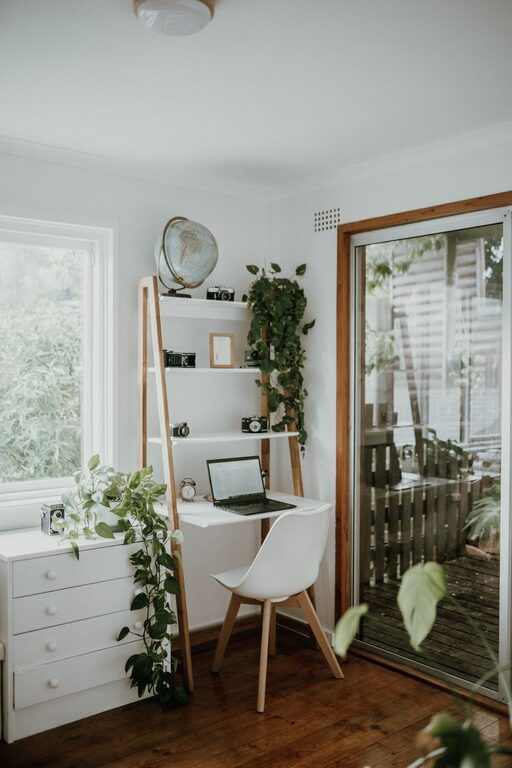
If space is limited, consider creative options like setting up in a corner of the living room or bedroom, or using a foldable desk that can be put away when not in use.
Invest in Comfortable and Functional Furniture
Comfort matters when you spend hours working at your desk. Investing in ergonomic furniture can prevent strain and help maintain your focus.
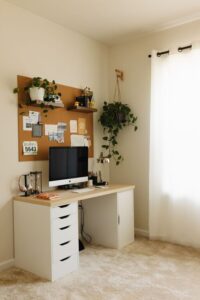
– Desk: Opt for a desk with enough surface space for your computer, notebooks, and any essential tools. Adjustable-height desks offer flexibility to sit or stand during the day.
– Chair: Choose an ergonomic chair that supports your back and encourages good posture.
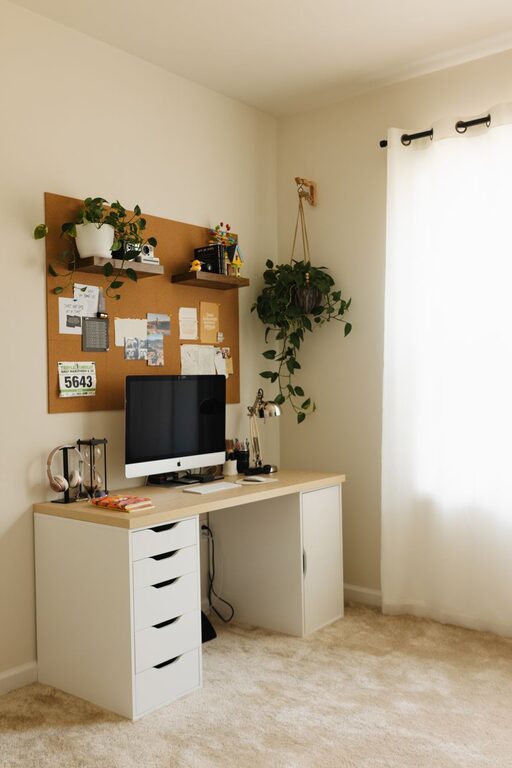
– Storage: Use shelves, filing cabinets, or drawers to keep items organized and within reach.
Remember, functional furniture makes your workspace inviting and reduces distractions caused by clutter.
Optimize Lighting
Lighting can greatly influence your mood and productivity. Aim for a combination of:
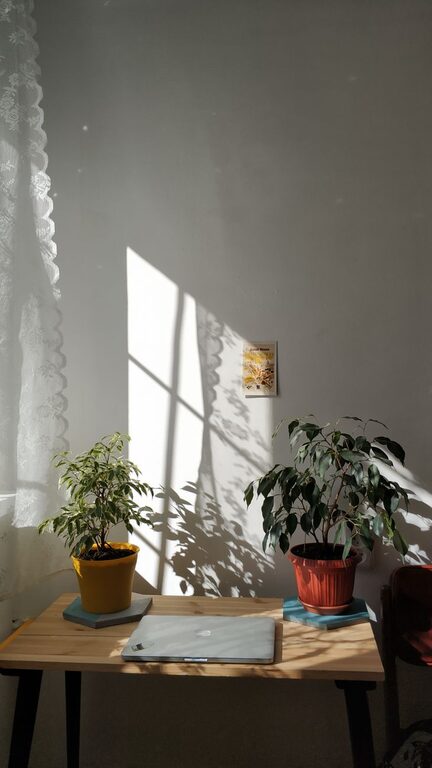
– Natural light: Position your desk near a window to benefit from daylight, which helps reduce eye strain and boosts focus.
– Task lighting: Use a desk lamp to illuminate your work area during darker hours or on cloudy days.
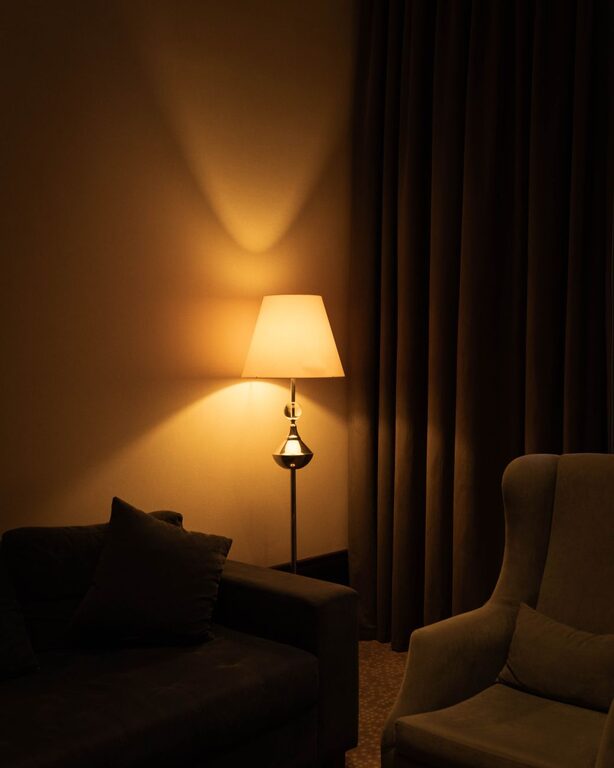
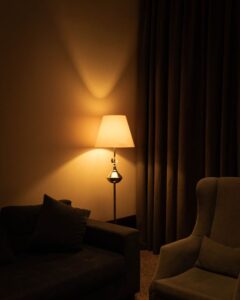
– Ambient lighting: Incorporate warm, soft overhead lighting to create a welcoming atmosphere.
Avoid harsh or flickering lights, which can cause headaches and fatigue.
Personalize Your Space
Adding personal touches to your workspace makes it feel inviting and encourages you to spend time there.
– Use artwork, photos, or plants to bring life and color to the room.
– Choose colors that promote calmness and concentration, such as soft blues, greens, or neutrals.
– Incorporate textiles like rugs or cushions for added warmth and texture.
A personalized environment can boost your mood, creativity, and overall work satisfaction.
Keep Technology Organized and Accessible
Technology is essential for most home offices, but tangled cords and cluttered gadgets can distract you.
– Use cable organizers or clips to keep cords neat.
– Position your computer, printer, and other devices within easy reach.
– Consider a wireless keyboard and mouse to reduce the number of cables.
– Invest in a reliable Wi-Fi connection to reduce frustration during work.
An organized tech setup helps you stay focused and saves time hunting for supplies.
Establish Clear Boundaries
Working from home can blur the lines between your professional and personal life. To maintain productivity:
– Set specific work hours and communicate them with family or housemates.
– Use room dividers or curtains if your office is part of a larger shared space.
– Keep work materials separate from personal items to mentally switch between work and relaxation.
Clear boundaries help you stay disciplined and avoid burnout.
Maintain Cleanliness and Declutter Regularly
A tidy workspace promotes clear thinking and reduces stress.
– Make it a habit to clean your desk and organize papers daily or weekly.
– Store infrequently used items out of sight.
– Use labeled containers for supplies to easily find what you need.
Decluttering your home office keeps the environment fresh and ready for focused work.
Incorporate Elements That Promote Well-being
Your home office can also support your health and well-being with simple additions:
– Place a small plant or two to improve air quality and add a touch of nature.
– Keep a water bottle nearby to stay hydrated throughout the day.
– Use a standing mat if you have a sit-stand desk to reduce fatigue.
– Schedule short breaks to stretch and move around.
These habits contribute to comfort and help maintain energy levels.
Use Productivity Tools and Decor Wisely
Many small additions can boost your efficiency:
– A whiteboard or corkboard for notes, reminders, and goal-setting.
– A calendar to track deadlines and meetings.
– Noise-canceling headphones to minimize distractions.
– Inspirational quotes or vision boards for motivation.
Choose tools that fit your workflow without overcrowding your space.
—
Final Thoughts
Designing a cozy and productive home office is about balancing comfort with functionality. By choosing the right location, investing in quality furniture, personalizing your space, and maintaining good organization and boundaries, you can create an environment that supports your best work.
Whether your day involves long hours at a desk or occasional tasks, these tips will help you build a home office that feels inviting and efficient. Happy decorating!